
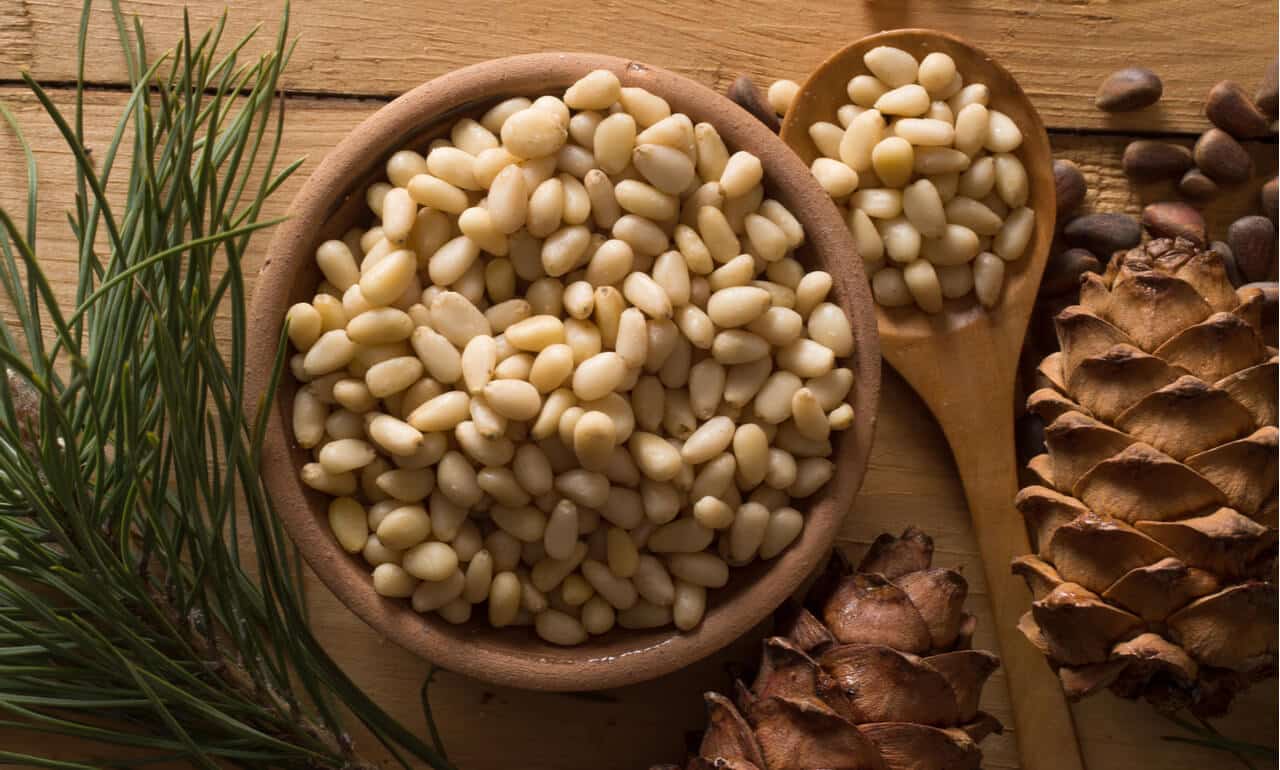
During the winter season, pine nuts are a beloved treat known for their buttery texture and heart-healthy fats. Also referred to as pignolia or pignoli nuts, these seeds are a luxurious addition to any diet. The labor-intensive harvesting process and slow ripening time contribute to their high price tag, earning them the title of the “caviar of nuts.”
While not as common as other nuts, pine nuts are in high demand across various industries, including oil, beverages, confectionery, and bakery. Originating from China, Pakistan, North Korea, and Russia, these nuts take about a year and a half to ripen, with unfavorable conditions potentially doubling that time. Harvesters meticulously separate the nuts from the pine cone by hand, resulting in these gluten-free and delicious seeds.
For those not allergic, pine nuts offer numerous health benefits in addition to their nutty flavor. They can boost energy levels, suppress appetite, help control blood glucose, and improve vision health. Thanks to their vitamin E and antioxidant properties, pine nuts also provide nourishment and hydration for the skin.
Nutritional Value of Pine Nuts
100 grams of pine nuts contain the following nutrients.
- Calories: 673 Kcal
- Carbohydrates: 13.1 g
- Mono-unsaturated fat: 18.7 g
- Polyunsaturated fat: 34.1 g
- Total Fats: 68.4 g
- Protein: 13.7 g
- Vitamin E: 9.33 mg
- Niacin: 4.387 mg
- Potassium: 597 mg
- Phosphorus: 575 mg
- Magnesium: 251 mg
- Calcium: 16 mg
- Zinc: 6.45 mg
- Iron: 5.53 mg
Health Benefits of Pine Nuts
1. Healthy Weight Loss and Weight Management
Pine nuts are effective in curbing appetite and aiding in weight loss. Their combination of fats, fiber, and protein promotes a feeling of fullness, with studies showing that the fatty acids in pine nuts can assist in weight management. The pinolenic acid present in pine nuts signals to the brain that the stomach is full, reducing food intake by 37%.
Consuming pine nuts as a snack provides sustained energy, mainly derived from their protein content. This increased energy can support more physical activity, aiding in weight loss efforts. Despite their caloric content, pine nuts have not been shown to contribute to weight gain. However, they should be part of a comprehensive approach to weight management that includes proper sleep, physical activity, and overall diet.
2. Glycemic Control
Pine nuts are rich in phenolic compounds that help improve blood glucose control. The unsaturated fats in pine nuts also have positive effects on fasting blood glucose levels. Additionally, manganese found in pine nuts has been shown to lower the risk of diabetes.
Consuming two tablespoons of pine nuts daily for five days a week can help manage diabetes symptoms and maintain normal fasting blood glucose levels without leading to excessive weight gain.
3. Pine Nuts Boost Brain Health
Research indicates that the Omega-3 fatty acids in pine nuts support brain health by slowing cognitive decline, reducing depressive symptoms, and lowering the risk of dementia. This makes pine nuts a valuable source of Omega-3s, particularly beneficial for older adults in preventing age-related cognitive decline. Additionally, the iron content in pine nuts supports the storage and transport of oxygen in the blood, contributing to overall brain health.
4. Improves Heart Health
High levels of LDL cholesterol, also known as “bad” cholesterol, can increase the risk of heart disease by promoting plaque buildup and narrowing of the arteries, potentially leading to heart attacks or strokes. Pine nut oil, rich in pinolenic acid, a polyunsaturated fatty acid, may help lower LDL levels by improving cholesterol metabolism in the liver.
Consuming three servings of pine nuts weekly can support heart health due to their significant content of vitamin E, magnesium, and monounsaturated fats, all of which contribute to lowering cholesterol levels. When combined with a balanced diet, pine nuts can be beneficial for heart health.
5. Rich in Magnesium
Pine nuts are a good source of magnesium, a mineral known for its mood-stabilizing properties that improve sleep and promote relaxation. With 71.2 grams of magnesium per ounce, pine nuts can be beneficial in treating magnesium deficiency, benefiting individuals of all age groups.
Regular consumption of pine nuts, rich in magnesium, may help reduce symptoms of anxiety and depression, particularly among adolescents, by addressing deficiencies in this essential mineral.
6. Pine Nuts are Great for Eyesight
Pine nuts contain beta-carotene and antioxidants that support eye health, along with high levels of vitamin A and lutein that aid in the development of sharp vision. Lutein in pine nuts helps protect the eyes by filtering UV light and preventing damage to the muscles. Since the body does not produce lutein naturally, consuming pine nuts ensures a consistent supply of this essential nutrient.
Furthermore, the antioxidants in pine nuts combat cellular degeneration, potentially preventing deterioration of eyesight. The plant pigments in pine nuts offer exceptional antioxidant properties that fight off free radicals, contributing to improved vision health.
7. Supports Bone Health
Vitamin K plays a crucial role in building and strengthening bones, surpassing calcium in its effectiveness. Pine nuts, rich in both calcium and vitamin K, offer dual protection for bone health. Among tree nuts, pine nuts and cashews stand out for their extraordinary vitamin K content, essential for maintaining strong and healthy bones.
Ways to Add Pine Nuts to Your Diet
Pine nuts can be incorporated into various recipes that call for nuts, adding a nutritional boost with their buttery flavor and crunchy texture. From smoothie bowls to salads, granola, and baked goods, pine nuts can enhance a wide range of dishes. They can also be blended into dips, sauces, or soups for added richness and flavor.
Toasting pine nuts can intensify their nutty flavor, but be cautious to avoid burning them as it can result in a bitter taste. Sprinkling toasted pine nuts on desserts like ice cream, sundaes, and yogurt can offer a unique and flavorful touch. While less common, pine nut oil can also be used in cooking to infuse dishes with a subtle nutty taste.
Healthy Recipes Using Pine Nuts
1. Pesto Sauce
A classic Italian sauce, pesto enriched with pine nuts is a healthier and more flavorful alternative to store-bought versions.
- Serves: 1 cup sauce
- Preparation time: 10 minutes
Ingredients
- Toasted Pine nuts: 1/3 cup
- Basil leaves: 2 cups
- Grated Parmesan cheese: 1/4 cup
- Lemon juice: 1 tablespoon
- Roughly chopped garlic cloves: 2
- Fine salt: 1/2 teaspoon
- Extra virgin olive oil: 1/3 cup
Method
- Blend toasted pine nuts, basil leaves, Parmesan, lemon juice, garlic, and salt, gradually adding olive oil.
- Adjust consistency by adding more Parmesan for a creamier texture and salt to taste.
- Leftover pesto can be refrigerated for up to one week.
2. Yoghurt Parfait
This quick and easy yoghurt parfait recipe with pomegranate, spices, & pine nuts is a healthy and delicious option for any meal.
- Serves: 1
- Preparation time: 5 minutes
Ingredients
- Plain Greek Yoghurt: 1 cup
- Chopped Banana: 1/2 cup
- Pomegranate seeds: 1/4 cup
- Pine Nuts: 2 tablespoons
- Cinnamon: 1/4 teaspoon
- Honey or Maple Syrup: 1 teaspoon
Method
- Place yoghurt in a bowl.
- Top with chopped banana, pomegranate seeds, pine nuts, a sprinkle of cinnamon, and a drizzle of honey or maple syrup.
Potential Downsides of Pine Nuts
Allergies
Similar to other nuts, pine nuts can trigger allergic reactions in some individuals, especially those with tree nut allergies. Anaphylactic reactions, characterized by symptoms such as wheezing, vomiting, swelling of the throat, nose, or lips, itching in the mouth, hives, and chest tightness, may occur in sensitive individuals.
Individuals with nut allergies should exercise caution when consuming packaged foods, as pine nuts may be present even if labeled as “nut-free.” Always read ingredient lists carefully and be aware of potential cross-contamination risks.
Pine Mouth
Some individuals may experience pine mouth, a temporary condition characterized by a strong metallic taste in the mouth after consuming pine nuts. This taste disturbance can last from a few days to two weeks and may worsen if other foods or beverages are consumed during this period.
There is no specific treatment for pine mouth, and the best course of action is to avoid consuming pine nuts until the symptoms resolve.
Conclusion
Pine nuts are a nutrient-rich food source, containing amino acids, vitamin E, iron, magnesium, antioxidants, and zinc. Despite their high cost, the nutritional benefits make them a valuable addition to a balanced diet. Individuals with nut allergies should exercise caution, and those experiencing pine mouth should refrain from consuming pine nuts until symptoms subside.
From promoting heart health to providing mood-stabilizing magnesium and supporting blood sugar control and vision health, pine nuts offer a range of health benefits. Their appetite-suppressing properties make them a useful addition for individuals on weight loss journeys. To experience the benefits of pine nuts firsthand, consider incorporating them into your diet today!
Frequently Asked Questions (FAQs)
1. What are the benefits of eating pine nuts?
Pine nuts are packed with essential nutrients like magnesium, zinc, iron, antioxidants, and proteins, offering benefits for heart health, brain health, weight management, diabetes control, and maintaining good eyesight.
2. How many pine nuts should you eat a day?
Research suggests consuming around 30 grams of pine nuts daily, approximately two tablespoons. They can be added to various dishes as a topping or ingredient, but excessive consumption should be avoided to prevent a bitter metallic taste in the mouth.
3. What happens if you eat too much pine nuts?
Overconsumption of pine nuts can lead to a bitter metallic taste in the mouth, known as pine nut syndrome. Some individuals may also experience symptoms like nausea, headache, or vomiting. It is advisable to moderate pine nut intake to avoid such reactions.
4. Which are healthier, pine nuts or walnuts?
Both pine nuts and walnuts offer various health benefits, with pine nuts being rich in niacin and vitamin E, while walnuts provide calcium, vitamin B6, and folate. Each nut has its unique nutritional profile, and incorporating both into a balanced diet can offer a range of nutrients.
5. Are pine nuts inflammatory?
While pine nuts offer numerous health benefits when consumed in moderation, excessive intake may exacerbate inflammatory conditions like arthritis or inflammatory bowel disease. The omega-6 fatty acids in pine nuts, specifically linoleic acid, can contribute to inflammation if consumed in large amounts.
6. Are pine nuts good for your hair?
Yes, pine nuts are rich in proteins that can help prevent hair damage and address hair fall issues. They also contain vitamin E, which promotes hair growth and overall hair health.
7. Are pine nuts good for high blood pressure?
Yes, pine nuts contain arginine, an amino acid with antioxidant properties that can help lower high blood pressure in individuals with hypertension. Including pine nuts in a balanced diet may contribute to better blood pressure management.
8. Are pine nuts Keto?
Due to their low carbohydrate content and high fat content, pine nuts can be consumed as part of a ketogenic diet. It is essential to consume them in moderation and incorporate them into a well-rounded keto meal plan.
9. Are pine nuts a diuretic?
Yes, pine nuts have diuretic properties along with various traditional uses, such as being antiseptic, expectorant, antibacterial, antiviral, antifungal, antihypertensive, and antineuralgic. They can offer multiple health benefits beyond their nutritional value.
10. Are pine seeds edible?
Yes, pine seeds are edible and highly nutritious. They add flavor to dishes and can be a valuable addition to a healthy diet, aiding in weight loss and providing essential nutrients.
11. Can I eat pine nuts while pregnant?
Consuming the recommended amount of pine nuts, approximately 90 grams per week, in the first trimester of pregnancy can benefit both the mother and baby due to the healthy fatty acids present in pine nuts. They support overall development and can be a nutritious addition to a pregnancy diet.