
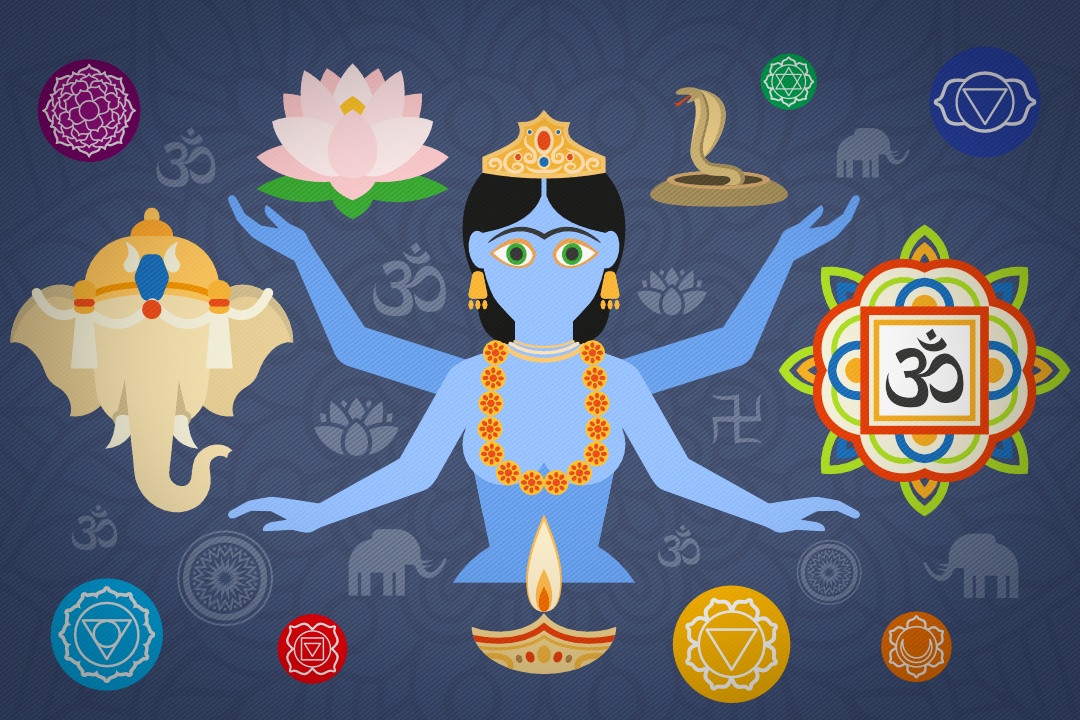
Yoga and meditation hold deep mystical symbolism, yet in modern times, many of the profound meanings of these ancient sacred symbols have been commercialized and overlooked. Practitioners often use symbols on clothing, jewelry, or tattoos as a way to express their dedication to yoga. However, these symbols are not mere decorations. Understanding yogic symbols is crucial for gaining a deeper knowledge of yogic philosophies, teachings, and mythologies. These symbols serve as powerful tools to enhance insight and understanding of yoga practice. They visually convey concepts, teachings, and spiritual ideas that can help focus the mind and induce contemplation and absorption during yoga and meditation.
Disclosure: This post may contain affiliate links. If a purchase is made through these links, we may earn a commission at no extra cost to you. Your kind support helps us create more mindful articles!
Understanding Yoga Symbols
Yoga symbols are graphical representations of ideas, concepts, or relationships. They create powerful connections between different experiences and concepts, guiding individuals towards known truths from the unknown. Originating from Indian mystics, these symbols were created to elevate consciousness and bring deeper insight into one’s spiritual path and yoga practice. They play a vital role in communicating profound truths and guiding individuals towards inner peace and enlightenment.
Utilizing Yoga Symbols
There are various ways to incorporate yoga symbols into your practice to enrich and deepen your yoga and meditation experience. Surrounding yourself with these symbols in your living and practice space can inspire high levels of spiritual energy and motivation. Whether through clothing, jewelry, or decorative pieces in your home, having these symbols nearby can elevate your practice, enhancing concentration, inner peace, and connection with the divine. Intentionally placing yoga symbols in your practice space can serve as visual reminders to focus on your intentions during practice. You can also use these images as focal points during meditation or yoga poses.
Common Yoga Symbols
Many common yoga symbols extend beyond yoga and are universally appealing across different cultures, religions, and spiritual practices. These symbols carry layers of meaning that require contemplation and study to uncover their depths.
The Om/Aum Symbol
The Om or Aum symbol is the most prevalent symbol in Yoga, often chanted at the beginning and end of yoga or meditation sessions. Yogis believe that the sound of Om unifies the universe. Chanting Om and meditating on its symbol can open the third eye and connect with the universal divine force, symbolizing the union of mind, body, and spirit.
The three sounds of Om (A-U-M) represent the aspects of the Hindu Trimurti: Brahma the creator (A), Vishnu the sustainer (U), and Shiva the transformer (M). Additionally, the Om symbol can be interpreted in four distinct meanings.
 The bottom left curve represents the sound of A (aahh) and the waking state of consciousness. It signifies our conscious mind, where we experience the world through the senses.
- The bottom right curve represents the sound of U (oohh) and the dreaming state of consciousness, beyond the physical body in the unconscious and energetic realms.
- The top left curve represents the sound of M (mmm) and the deep sleeping state of consciousness, symbolizing spiritual forces and universal connectivity.
- The dot at the top represents the silence post-chanting Om, signifying the state of pure consciousness or samadhi, where one experiences absolute stillness and unity with creation.
The 7 Chakra Symbols
The Chakras are energy centers in the body, depicted as whirling disks of light. When in harmony, these 7 energies bring peace and balance spiritually, mentally, and physically. Meditating on the meanings represented by each chakra symbol helps in balancing the chakras. These symbols consist of lotus petals, triangles, colors, circles, Sanskrit letters, and other elements positioned along the spine.
 The Muladhara or Root Chakra, depicted in red and resembling an upside-down triangle, signifies stability and grounding.
- The Svadhishthana or Sacral Chakra, shown in orange and resembling a crescent moon within a flower, represents creativity.
- The Manipura or Solar Plexus Chakra, displayed in yellow and resembling an upside-down funnel, influences confidence, energy, and vibrancy projected into the world.
- The Anahata or Heart Chakra, presented in green and resembling a star within a lotus, fuels compassion and empathy.
- The Vishuddha or Throat Chakra, depicted in blue and resembling a circle and triangle within a flower, signifies the ability to express oneself and share knowledge.
- The Ajna or Third Eye Chakra, in indigo and resembling a triangle within an eye, symbolizes connection to divinity.
- Lastly, the Sahasrara or Crown Chakra, shown in purple and resembling a fully blossomed lotus, signifies divine connection to the universe.
Further exploration into the 7 Chakras can provide insights on maintaining balanced energy flow and unlocking any blocked Chakras through a deeper understanding of their symbolism.
The Gyan Mudra Symbol
The Gyan Mudra is a common hand mudra used in yoga and meditation, resembling the “ok” gesture by touching the index finger to the thumb. The index finger represents the heart chakra and air element, while the thumb symbolizes the solar plexus and fire element.
Practicing this mudra during meditation fosters peace and calmness, with the symbol representing a meditative state and inner peace attainment. Also known as jnana mudra or chin mudra.
The Lotus Flower
The open lotus flower symbolizes purity, enlightenment, and new beginnings. Blooming on stagnant muddy water with roots deep in the mud, the lotus signifies our ability to transform struggles into valuable life lessons. A closed lotus represents an unenlightened yogi on the path to enlightenment. Blue lotus embodies mindfulness and wisdom, white lotus symbolizes purity of thought and spirit, purple lotus signifies mysticism, and pink lotus is known as Buddha’s sacred lotus.
The Mandala
Mandala, meaning “circle” in Sanskrit, represents unity, wholeness, and harmony through symmetrical geometric patterns. The outer circles symbolize universal oneness and the circle of life, while the inner layers depict different levels of human existence. Used in visual meditation, mandalas help focus the mind, foster contemplation, and promote inner peace.
The Ganesh Symbol
Ganesha, a popular Hindu deity with an elephant head and human body, symbolizes good luck, knowledge, and learning. Invoked at the start of new endeavors, Ganesh is known as the remover of obstacles. Each part of his body holds symbolic meanings, such as his elephant head signifying knowledge and his trunk representing wisdom.
The Hamsa (Evil Eye) Symbol
Despite its ominous name, the Hamsa symbol is used for protection against harm and negative energy, symbolizing luck, good fortune, health,