
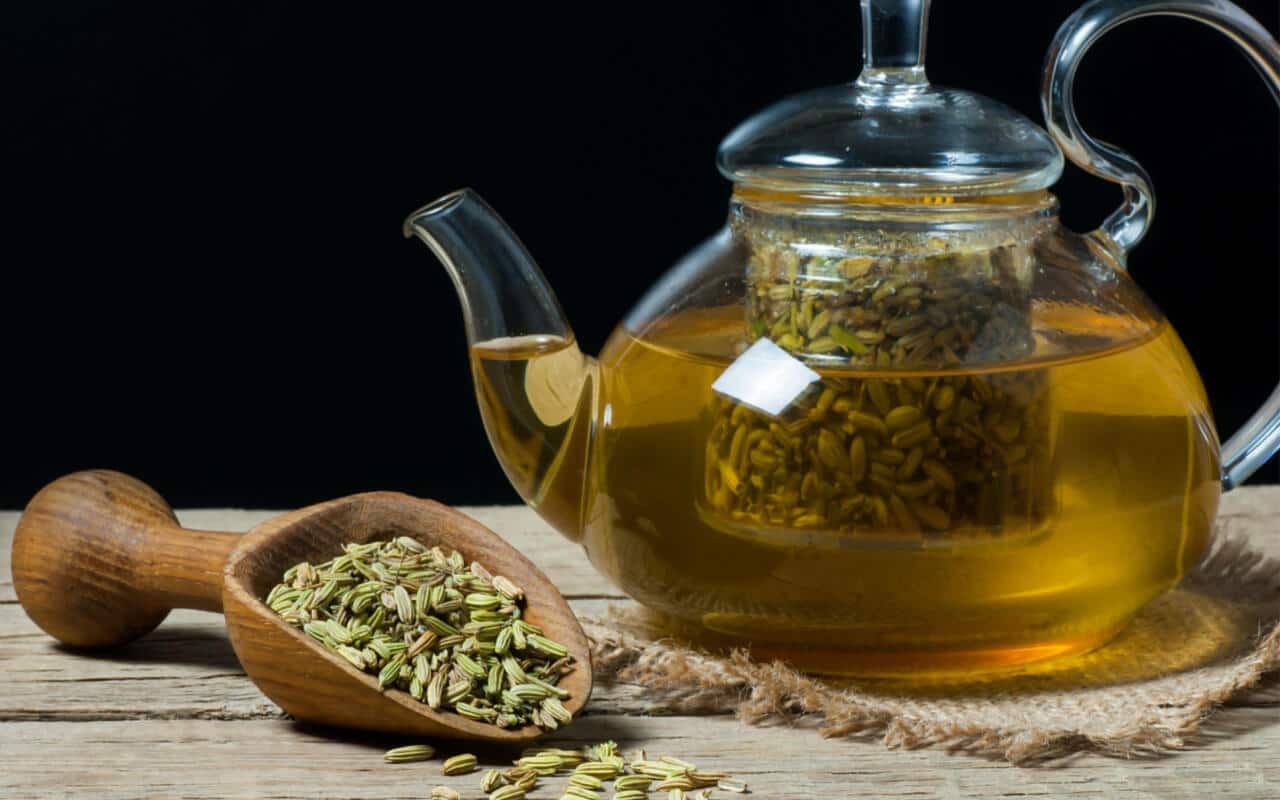
In India, fennel seeds, also known as saunf, are widely used for their numerous health benefits. People from diverse cultures prefer consuming fennel seeds due to their medicinal properties. For instance, Indian families often consume fennel seeds after meals to aid digestion.
Fennel seeds are associated with ‘longevity’ and offer a range of nutritional properties that contribute to overall well-being.
Additionally, fennel seeds are a rich source of essential minerals that help regulate blood pressure and water retention in the body. They are known for their aromatic properties.
What are Fennel Seeds?
Fennel seeds, similar in appearance to anise seeds, are derived from fennel plants. They are packed with nutrients like Vitamin K, Vitamin E, manganese, copper, zinc, phosphorus, and Vitamin C.
With a crunchy texture and a mildly sweet flavor, fennel seeds are commonly used as a mouth freshener.
A single serving of fennel seeds provides 1% of the Recommended Dietary Intake (RDI) for Vitamin C, acting as a powerful antioxidant that protects the skin from damage caused by environmental factors.
Nutritional Value of Fennel Seeds
Typically consumed in a one-tablespoon serving, fennel seeds offer the following nutritional value:
Nutritional Value (per teaspoon (heaped)– 6 grams)
- Calories: 19.8 kcal
- Fiber: 2.3 grams
- Carbohydrates: 3 grams
- Protein: 0.9 grams
- Fat: 0.6 grams
- Cholesterol: 0 grams
Explore more about fennel seeds to understand how they can support your dietary goals and overall well-being.
Health Benefits of Fennel Seeds
Fennel seeds are packed with potent antioxidants and phytonutrients, offering numerous health benefits:
Regulate Blood Pressure
Studies indicate that chewing fennel seeds can increase nitrite levels in saliva, a natural element that helps regulate blood pressure. Additionally, fennel seeds are rich in potassium, which further aids in blood pressure and heart rate management.
Great for Skin Problems
Regular consumption of fennel seeds provides essential minerals like selenium, calcium, and zinc, crucial for hormone balance and maintaining skin health. The minerals offer a cooling and soothing effect on the skin, promoting a healthy glow.
Fennel seeds also possess ayurvedic properties that aid in treating skin conditions like rashes and dryness. Applying fennel paste can help keep the skin moist, clean, and healthy.
Research suggests that fennel seeds have anti-aging properties and are beneficial for skincare routines. Fennel seed water is known to cleanse pores, combat acne, and offer antibacterial and anti-inflammatory benefits.
Purifies Blood
The fiber and essential oils in fennel seeds are effective in eliminating toxins from the body, promoting blood cleansing and optimal nutrient absorption. Additionally, the polyphenol antioxidants in fennel seeds have anti-inflammatory properties that help combat infections.
Helps Improve Eyesight
Referred to as ‘Netra Jyoti’ in Ayurveda, fennel seeds can enhance vision. The high vitamin A content in fennel seeds contributes to improved eyesight, protecting against conditions like glaucoma and cataracts.
Water Retention
Regular consumption of fennel tea aids in flushing out excess fluids from the body, acting as a diuretic. It also reduces the risk of urinary tract issues and promotes toxin elimination, with diaphoretic properties stimulating perspiration.
Appetite Control
Research indicates that drinking fennel tea can help manage appetite by releasing essential oils that suppress hunger. Many recommend fennel tea before meals to reduce calorie intake and support weight loss goals.
Vital for Bloating, IBS, Indigestion, and Constipation
Fennel seeds are known to alleviate constipation, bloating, and indigestion due to their essential oils like anethole, fenchone, and estragole. These oils offer anti-inflammatory and antispasmodic properties, aiding in food breakdown and promoting digestive health, especially for individuals with IBS.
The oils also support digestion by enhancing the production of gastric juices and enzymes, keeping the digestive system functioning smoothly.
Reduces Risk of Cancer
Fennel seeds boast powerful antioxidant properties that help neutralize free radicals linked to cancer development. Anethole, a prominent antioxidant in fennel seeds, offers cancer-fighting effects, protecting against various cancers like breast, stomach, and skin cancer.
Good for Memory
Research suggests that fennel seeds possess neuropharmacological activities, enhancing memory and intelligence. The plant extracts exhibit memory-enhancing effects and can benefit individuals with cognitive disorders like Alzheimer’s.
Good for the Liver (Hepatoprotective activity)
Fennel’s selenium content aids in detoxification, promoting the production of beneficial enzymes in the liver. Fennel essential oils are beneficial for liver health and may help reduce levels of certain liver enzymes. Studies support the hepatoprotective effects of fennel seeds.
Fennel Seeds for Weight Loss
Adding fennel seeds to your daily diet can aid in weight loss due to their powerful nutrients that support overall health. Here are ways fennel seeds contribute to shedding extra pounds:
Fennel seeds are a valuable addition to weight loss diets, promoting satiety and reducing overeating. The antioxidants in fennel seeds enhance nutrient absorption and aid in breaking down fats and carbohydrates, preventing weight gain.
With diuretic properties, fennel seeds help eliminate toxins from the body. Variyali Sharbat, a fennel seed drink common in India, supports weight loss, detoxification, acidity reduction, and stress relief.
Fennel Seeds: Healthy Recipes
Variyali Sharbat
Variyali Sharbat offers numerous health benefits due to the antioxidants present in fennel seeds. These antioxidants protect the body from oxidative stress and enhance metabolic rate.
Here’s a recipe for one glass of Variyali Sharbat:
Ingredients:
- 1 cup of fennel seeds
- 2 cups of water (500ml)
- 1-2 tbsp of Jaggery
- Five soaked cardamom
- Black salt
- Ice cubes
Instructions:
- Grind fennel seeds and cardamom into a fine powder in a food processor or mixer grinder.
- Soak the fennel and cardamom powder in 2 cups of water for about 8 hours.
- Strain the soaked liquid into a container
- Add a pinch of black salt
- Stir in the jaggery for 30 seconds
- Serve in a glass with ice cubes
Nutritional value of a normal glass (240 ml) of Variyali Sharbat:
- Carbohydrates: 2.9g
- Protein: 2.9g
- Fiber: 7.3g
- Magnesium: 15 mg
- Vitamin B-6: 0.041 mg
- Iron: 0.64 mg
- Vitamin C: 10.4 mg
- Calcium: 43 mg
- Vitamin A: 838 IU
- Sodium : 45 mg
- Potassium: 360 mg
Fennel Tea
- Servings: 1
- Preparation time:
Ingredients:
- Crushed Fennel Seeds: 1 tbsp
- Water: 1½ cups
- Lightly Crushed Ginger: ¼ inch
- Mint Leaves: 3-4
- Honey: ½ tsp
Method:
- Boil the water in a pot
- Add crushed fennel seeds and ginger
- Simmer the water until it reduces to 1 cup
- Strain the tea into a cup
- Add honey and mint leaves
- Mix well and serve hot
Fennel tea has a subtle taste and a delightful aroma, making it beneficial for digestive issues like constipation and promoting relaxation and mental refreshment.
Fennel Seeds: Precautions
While fennel seeds offer numerous health benefits, certain precautions should be considered to avoid adverse effects:
- Avoid fennel seeds during pregnancy to prevent preterm birth.
- Women who are breastfeeding should refrain from consuming fennel tea to prevent potential harm to the infant’s nervous system.
- Individuals with seed allergies should avoid fennel seeds to prevent allergic reactions.
- Those with bleeding disorders should steer clear of fennel seeds due to their blood-thinning properties.
- Individuals with hormone-sensitive conditions like breast cancer should avoid fennel seeds as they may exacerbate these conditions.
- People with kidney disorders should limit fennel seed consumption as the high potassium content may strain the kidneys.
Summary
Fennel seeds are a popular choice in India for their ability to address various digestive issues like colic, gas, and heartburn. They also serve as a refreshing mouth freshener after meals, offering a wide range of benefits.
Consider incorporating fennel seeds into your diet to support your health goals, whether short-term or long-term.
Remember to be mindful of precautions and potential side effects associated with fennel seed consumption.
Frequently Asked Questions (FAQs)
Q. Is eating fennel seeds good for you?
Yes, consuming fennel seeds offers numerous health benefits, such as improved digestion, blood pressure regulation, skin health, weight management, and more.
Q. Is it OK to eat fennel seeds every day?
Yes, consuming one teaspoon of fennel seeds daily is considered safe.
Q. What are the disadvantages of eating fennel seeds?
While fennel seeds offer various benefits, excessive consumption may lead to adverse effects such as premature thelarche, kidney strain, blood clotting issues, allergic reactions, and worsening of hormone-sensitive conditions.
Q. What is fennel seed used for?
Fennel seeds are used for various purposes, including relieving menstrual pain, combating bad breath, improving digestion, and supporting weight loss.
Q. Can we drink fennel water daily?
Yes, consuming fennel water daily can offer digestive benefits and aid in weight management.
Q. Does fennel seeds reduce weight?
Yes, fennel seeds can contribute to weight loss when combined with a healthy diet and regular exercise routine.
Q. Is fennel seeds bad for kidneys?
While fennel seeds offer detoxifying benefits, individuals with kidney disorders should limit their consumption due to the high potassium content that may strain the kidneys.
Q. Can fennel seeds stop periods?
No, fennel seeds do not stop periods but can help regulate hormonal balance and promote ovulation.
Q. Does fennel make you fart?
Fennel seeds aid in digestion and relieve gastrointestinal discomfort, reducing bloating and gas.
Q. What is the best time to drink fennel tea?
Drinking fennel tea before bed or in the morning is beneficial for combating bad breath and supporting weight loss goals.
Q. How much fennel seeds should I eat daily?
Consuming 1-2 teaspoons of fennel seeds daily is recommended to reap their health benefits.
Q. What are the side effects of eating fennel seeds?
Side effects of fennel seeds may include stomach discomfort, nausea, allergies, and potential effects on blood clotting, hormonal disorders, and kidney health.
Q. What are the benefits of drinking fennel water?
Drinking fennel water daily can aid in digestion, relieve stomach issues, support weight loss, improve metabolism, regulate appetite, and promote overall well-being.
Q. What is the best way to eat fennel?
Fennel seeds can be enjoyed raw for their sweet crunchiness or sautéed to enhance their flavor. Fennel water or tea are also excellent ways to incorporate fennel into your diet.
Q. What happens if we drink fennel water daily?
Drinking fennel water daily can offer numerous health benefits, such as improved digestion, weight management, blood purification, and better sleep. However, moderation is key to avoid potential adverse effects.
Q. Does fennel seeds reduce weight?
Yes, fennel seeds can aid in weight loss by promoting satiety, enhancing nutrient absorption, and supporting the breakdown of fats and carbohydrates.
Q. Does fennel make you poop?
Yes, fennel seeds can aid in relieving constipation, bloating, and indigestion by promoting digestive health and regular bowel movements.
Q. Is fennel healthier raw or cooked?
Fennel seeds are best enjoyed raw to savor their natural flavor and texture.
Q. Do you swallow fennel seeds after chewing?
Swallowing fennel seeds after chewing is safe and can offer health benefits.
Q. Can I drink fennel water at night?
Drinking fennel water at night can help relax muscles and promote better sleep.
Q. Can fennel seeds cause periods?
No, fennel seeds do not induce periods but can regulate hormonal cycles and support menstrual health.