
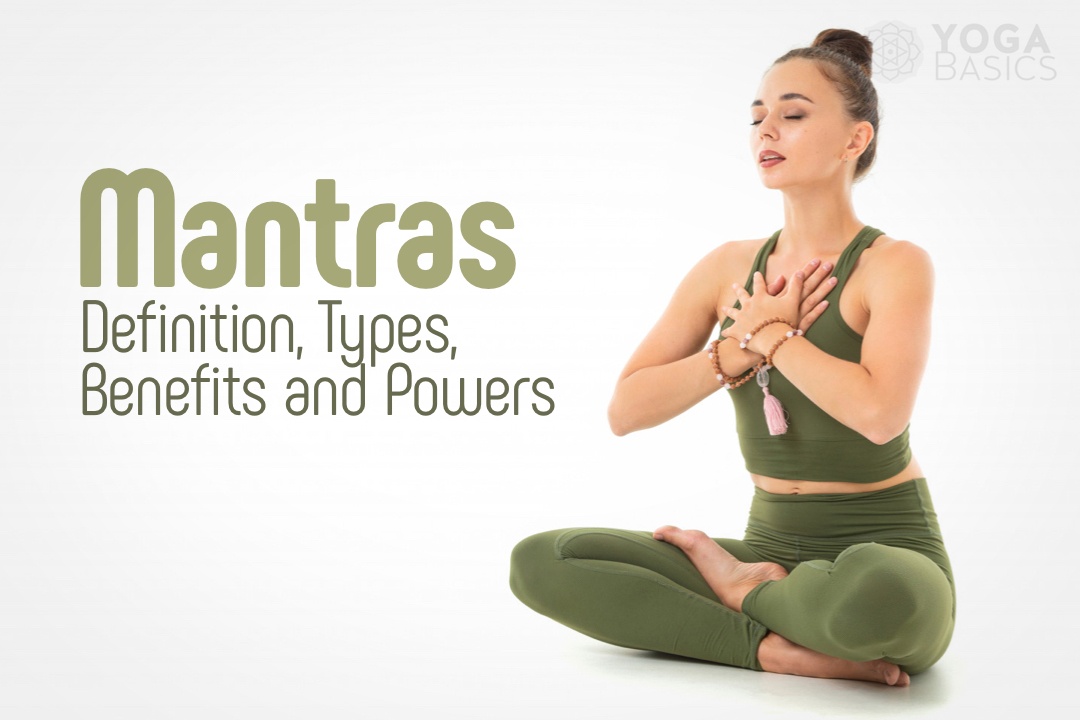
Chanting serves as a spiritual practice across various cultural and religious backgrounds. Within the yogic tradition, a mantra, typically a Sanskrit word, holds the power to transform the mind, body, and spirit. Mantras are repeated words or phrases, either spoken aloud or silently, to enhance concentration, mindfulness, and self-awareness. Yogis use mantras to invoke specific qualities like love, compassion, peace, joy, and wisdom. Additionally, mantra meditation has the potential to alter brain chemistry and establish new neural pathways, promoting inner peace and equilibrium.
Definition of a Mantra
A mantra is a repeated word or phrase that invokes spiritual qualities. The term originates from the Sanskrit words ‘manas’ meaning mind and ‘tra’ meaning instrument or tool, often translated as “an instrument for the mind” or “that which brings liberation upon reflection.”
Mantras are mystical formulas of sacred syllables revealed to sages during deep meditation. Typically in Sanskrit, Pali, Tibetan, Prakrit, Hindi, or Gujrati, mantras are an ancient component of yoga and are integral to various Buddhist, Hindu, Jain, Sikh, Taoist, Shinto, and Zen Buddhist traditions.
A yoga mantra consists of three elements: intention, meaning, and vibration or sacred sound. Intention signifies the purpose of the practice, while meaning defines the personal mantra. Sacred sound represents the connection to the vibrational energy cultivated through the practice.
Mantras can be vocalized aloud, whispered softly, or repeated silently in the mind. Vaikhari Japa involves reciting the words aloud to enhance pronunciation and concentration. Upamsu Japa includes whispering or humming for peace and harmony. Manasika Japa entails internal chanting within the mind, requiring intense focus. Silent chanting is believed to be significantly more effective than vocalizing the mantra.
Affirmations
Affirmations, though similar to yoga mantras, differ in that they are positive statements in one’s native language repeated periodically. Affirmations aid in altering thought patterns to modify actions and behaviors, often used for attracting prosperity, peace, love, and achieving personal goals. While mantras can serve material goals, they primarily focus on spiritual and healing aspects. Affirmations can be created by anyone, whereas mantras are traditionally crafted by meditation masters or gurus.
Types of Mantras
There are three main types of mantras: Bija (seed), Saguna (with form), and Nirguna (without form). Bija mantras are stand-alone or integrated into Saguna mantras to imbue them with special energy. They correspond to the seven chakras and Hindu deities.
Saguna mantras invoke individual deity forms or personalized aspects of God, believed to manifest the deity’s power.
Nirguna mantras originate from Vedic texts, lacking specific deity invocations. These mantras are challenging to interpret, representing universal truths in yogic philosophy and requiring strong focus for practice.
Function of Mantras
Each mantra evokes a specific power, intended for spiritual enhancement, healing, or worldly desires. Combined with intention, mantras can be tailored for precise outcomes, serving as a link between the devotee and the Divine. Mantras gain power with repetition, achieving full empowerment after 125,000 recitations, known as Mantra Siddhi.
How Mantras Operate
Mantra yoga’s efficacy lies in breaking negative thought cycles, enhancing focus, and transforming consciousness quality. Chanting creates an energetic resonance within, fostering a sense of connection with the universe. It promotes mental calmness, self-awareness, compassion, patience, love, and wisdom.
Choosing a Mantra
A spiritual master typically imparts a unique mantra for japa meditation, kept confidential for initiates. Initiation into mantra practice involves the guru whispering a personal mantra to the student, often in a ceremonial setting. For individuals without access to a guru, selecting a resonant mantra and practicing daily is an alternative approach.
Common Mantras
- Om—A widely recognized mantra, Om or Aum, frequently serves as the seed mantra in longer chants.
- Aham Prema—Translating to ‘I am Divine Love,’ this heart-centered mantra invokes qualities like love, acceptance, purity, gratitude, and compassion.
- Om Mani Padme Hum—A Buddhist mantra praising the jewel in the lotus, fostering compassion, peace, and equanimity.
- Om Namah Shivaya—Meaning “I bow to my highest Self,” emphasizing the supreme transformational power of Shiva.
- Om Gam Ganapataye Namaha—Invoking Ganesha’s blessings to overcome obstacles hindering spiritual practice.
- Lokah Samastah Sukhino Bhavantu—A Sanskrit mantra wishing happiness and freedom for all beings, embodying compassion and kindness.
Practice Suggestions
- Begin with a short, simple mantra before advancing to more complex ones.
- Maintain a comfortable, upright posture for practice.
- Recite the mantra clearly and deliberately.
- Initiate with short sessions, gradually extending practice duration.
- Focus on feeling the sacred words resonate within.
- Redirect focus to the mantra when distracted by other thoughts.
- Chant with closed eyes, minimizing external distractions.
- Persist in practice without concern for mistakes.
- Concentrate solely on the mantra’s sound during practice.
- Engage in daily 10-minute practice sessions to build consistency.
Benefits of Mantras
Similar to prayer and affirmation, mantra repetition influences the mind, body, spirit, and emotions. Mentally, japa meditation enhances concentration, memory, and focus. Physically, it reduces heart rate, lowers blood pressure, and triggers the relaxation response for healing and rejuvenation. Emotionally, it fosters self-confidence, stress reduction, and emotional balance. Spiritually, mantras dissolve negative karma, promote wisdom, and serve as a path to self-realization. Regular meditation practice is recommended for optimal benefits.
Conclusion
Mantras hold diverse purposes, including healing, meditation, personal growth, and prayer. By syncing breath with sound vibration, mantra repetition facilitates deep meditative states, clears the mind, and connects individuals with their higher selves and the Divine. Chanting sacred sounds influences the body’s energy channels, calming the mind and spirit. Through mantra practice, individuals can tap into inner spiritual wisdom, enhance mindfulness in daily life, and aid in personal healing and transformation.