
Many people have strong opinions about certain foods that may seem unusual or unappealing, especially if they are not part of their usual diet.
For example, dishes like haggis, which consists of sheep organs cooked in a sheep’s stomach, or lutefisk, a fermented fish dish, may not be widely embraced outside of their respective cultural backgrounds. Similarly, delicacies like balut, a partially developed duck embryo, may not be everyone’s cup of tea.
While these foods may seem strange to newcomers due to their unfamiliar smells and appearances, what’s even more unsettling are the hidden origins and potential risks associated with the foods we consume daily without much thought.
To shed some light on the foods we encounter regularly, here are some intriguing (and sometimes unsettling) facts to make you more mindful of what you eat.
1. Lemons Slices Might Contain Harmful Bacteria
Cut lemons are a common sight in restaurants, often used to garnish drinks or dishes. However, a study revealed that a significant number of lemon slices collected from various restaurants harbored several types of bacteria and yeast, including fecal matter and E. coli. These microorganisms have the potential to cause infections if consumed.
Despite this alarming discovery, no reported illness outbreaks have been linked to the use of lemons in beverages. The high microbe count on lemons may be attributed to inadequate sanitation practices in kitchens or contamination before reaching restaurants.
Additionally, the porous nature of citrus fruits provides ample hiding spots for bacteria and other pathogens.
2. Raw Oysters Are Alive When Consumed
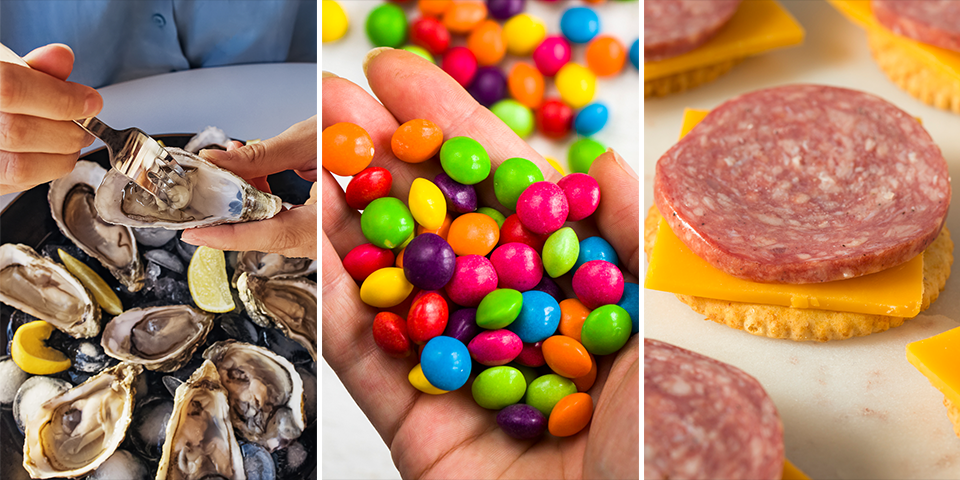
Raw oysters are a popular choice for seafood enthusiasts, prized for their briny flavor and unique texture. What some may not realize is that consuming raw oysters means ingesting live organisms. This may be off-putting to some, but it is essential to eat live oysters to avoid bacterial contamination.
To ensure the freshness of oysters, it is recommended to check for signs of life before purchasing them. An oyster that closes its shell when tapped is still alive and safe to eat, while an unresponsive one should be avoided.
3. Most Gummy Candies Contain Gelatin Derived From Animal Parts
Gummy candies, a popular treat for many, are often made with gelatin, a substance obtained from animal skin, bones, and connective tissues. This ingredient gives gummies their chewy texture but may not sit well with those averse to animal products.
For individuals seeking vegan alternatives, products made with agar agar, a gelatin substitute derived from seaweed, offer a cruelty-free option. Several brands now offer vegan gummies to cater to varying dietary preferences.
4. Kopi Luwak Coffee Is Processed Through Civet Digestive Tract
For coffee aficionados looking to explore unique brews, kopi luwak offers a distinctive experience. This coffee variant involves passing coffee beans through the digestive tract of an Asian palm civet before being harvested from its feces.
The fermentation process during the beans’ journey through the civet’s intestines contributes to kopi luwak’s distinct flavor profile. While some appreciate this coffee’s taste, concerns have been raised about the treatment of civets in captivity for mass production.
5. Confectioner’s Glaze Contains Insect Secretions
The glossy coating on many candies, known as confectioner’s glaze, is derived from shellac, a substance sourced from insect secretions. Specifically, lac insects produce a resin used to create this shiny finish on various confectionery products.
Although the idea of consuming insect secretions may be unsettling, the FDA considers confectioner’s glaze safe for human consumption and commonly used in food products.
6. Beaver Glands Are a Source of Vanilla Flavoring
While pure vanilla extract is a popular flavoring agent, it can be costly. To replicate the taste of vanilla, some food manufacturers use castoreum, a substance derived from blended beaver castor glands near their anal region.
Despite its unconventional source, castoreum is deemed safe for consumption and has been utilized in various food and fragrance products for its vanilla-like aroma.
7. Salami Is Often Not Cooked, But Dry-Cured
Salami, a cured meat product enjoyed by many, is typically not cooked but rather dry-cured through a fermentation process. This method involves mixing the sausage meat with salt and lactic acid bacteria to inhibit harmful bacterial growth.
While the idea of consuming raw meat may raise concerns, the dry aging and fermentation processes in salami production help minimize the risks associated with consuming uncooked meat.
8. Ice Machines Can Harbor Harmful Bacteria
Despite their purpose of storing ice for beverages, restaurant ice machines can be breeding grounds for harmful bacteria if not properly maintained. Contaminated water sources and improper hygiene practices by staff members can lead to the presence of bacteria like E. coli in ice machines.
Studies have highlighted the potential health risks associated with consuming contaminated ice, emphasizing the importance of regular cleaning and sanitization of ice-making equipment to prevent bacterial contamination.
9. Figs May Contain Residual Wasp Parts
Fig pollination involves a unique interaction with fig wasps, where the insects play a role in the fruit’s development. While some fig varieties require wasp pollination, most commercially available figs are produced without this process, ensuring that any residual wasp parts are not present in the fruit.
For consumers concerned about potential insect remnants in figs, it is essential to choose varieties that do not rely on wasp pollination or undergo alternative ripening methods.
10. Canned Mushrooms Can Legally Contain Maggots
Although the presence of maggots in food is generally unwelcome, the FDA permits canned mushrooms to contain a certain number of maggots per specified weight before being deemed unsuitable for consumption. This allowance ensures that minor infestations do not render the product inedible.